Delivering quality equipment and expert support to advance healthcare safety, precision, and efficiency.

Full diagnostics and restoration services for hemodialysis machines at your facility or our workshop. We inspect, calibrate, lubricate, and replace components to restore optimal function.

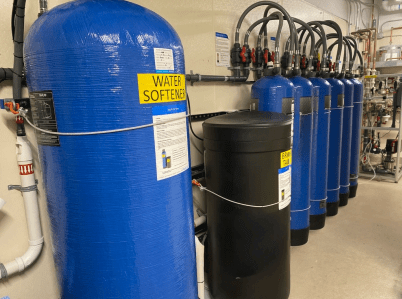
Specialized service for Reverse Osmosis water treatment systems including membrane replacement, disinfection, cleaning, and full system rehabilitation for chronic and acute settings.

Microbiological testing for bacteria and endotoxins, AAMI standard compliance testing, loop and distribution system disinfection to ensure dialysate water purity and patient safety.

Leakage current testing, grounding checks, and insulation inspections ensuring all biomedical equipment meets electrical safety standards and protects both patients and staff.

Firmware updates, system optimization, and feature enhancements for supported hemodialysis and RO systems — keeping your equipment current and performing at peak efficiency.
AAMI, CMS, FDA, and Joint Commission compliance documentation and certification. We support audit preparation and maintain meticulous service logs for every piece of equipment.
Routine inspections, QAPI process support, maintenance logs, and comprehensive service documentation — we ensure your facility is inspection-ready at any time.

On-site training for nurses and biomedical technicians on machine operation, safety protocols, troubleshooting procedures, and proper maintenance practices.
We diagnose and resolve common equipment issues quickly to restore safety and performance.

Loss of function due to damaged cables, unstable voltage, or internal power faults. Inaccurate readings caused by worn-out or misaligned sensors in monitoring devices.

Leakage due to damaged or worn-out orings, out of range calibration, unsecured tubing or faulty heat exchanger.
Provide dialysis equipment solutions for hospitals, centers, and long term acute settings in LA, Orange, and Riverside counties
Proceed through the following seven steps until a problem is located.
1. Ensure a “strong” spring was NOT installed at the output ports of the acid and bicarbonate pump boat. Both pumps get “weak” springs!
2. Compare both springs to the new springs. Replace any that are shorter than a new spring.
3. Other procedures, in different Sections of the 2008K/K2 Fresenius Troubleshooting Guide Manual are performed next. Note this page and procedure number (CO-5.6.0) of the manual because you may be prompted to return in here.
4. If not already performed in this troubleshooting session, Before continuing to step #5, proceed to page 535, to perform Section 19 – Testing for a leaking balancing chamber diaphragm.
5. If the bad balancing chamber diaphragm was not located in step#4, before continuing to step#6, proceed to page 139, to perform Pressure Test Hydrochamber.
6. If the Hydrochamber is OK, per step #5, ensure deaeration motor brushes have been replaced at 8000 hours interval and flow motor brushes have been replaced approximately at 16,000 hour intervals.
7. Assuming all procedures were performed thoroughly and conductivity remains unstable the Trouble Guide is unable to locate the problem.
1. CHECK Loading pressure. Good pressure means the error is on the secondary side, Bad pressure it’s on the primary side. Always start with this. Read your pressures while the error is present. If intermittent wait for the issue to show then read the pressure.
2. Check valve 101 if Bibag
3. Unplug #6 and put a temperature resistor into the place so you are checking valves 43 and 30. Flow to drain if good. No flow valve 30 or 43 are bad
4. Open shunt door to check valve 24 and 25. If the error goes away it’s valve 26, if it stays you have cleared all three valves.
5. check drain flow
6. check conductivity= if condo high= stuck closed BC valve Stuck closed BC Valve troubleshooting from Select Program Screen
Plug valve 35 into V30’s spot and check flow at red Hansen hose. If no flow loosen BC valve 31 from the B/C. If you have dialysate coming out of the valve, 31 is the bad valve. No flow it’s valve 35
Plug Valve 37 into V30’s spot and check flow at the red Hansen. If no flow loosen BC valve 33. If you have dialysate coming out of the valve, 33 is the bad valve. No flow it’s valve 37.
Flow should be the same or 800 ml a minute
7. Check TMP troubleshooting from Select Program Screen
High TMP=top of the screen(negative) = stuck open BC valve on spent side
Low TMP = Bottom of screen or Positive= stuck open BC Valve on fresh side
If you suspect a leaking BC Valve then run the leak test. Rinse machine before running test
Spent side checks
1. Put dialysate connectors into a bucket of water.
2. Plug flow pump into deaer spot
3. Plug valve 36 into Valve 33 check flow rate at end of drain hose. No flow… loosen
valve 32 from the top of the balance chamber. No flow shows valve 36 is bad. Flow
shows valve 32 is bad.
4. Plug valve 38 into valve 33 check flow rate at the drain No flow… loosen valve 34 from the top of the balance chamber. No flow shows valve 38 is bad. Flow shows valve 34 is bad.
5. Should be equal amounts
Whats left to check is Diasafe and CFS switch.
1. Ensuring Patient Safety: Malfunctioning medical devices can lead to incorrect diagnoses, failed treatments, and potential patient harm. Regular maintenance ensures reliability and precision.
2. Meeting Regulatory Compliance:Healthcare regulations require routine medical device maintenance to ensure safety. Regulatory bodies like The Joint Commission enforce strict guidelines for medical equipment servicing.
3. Reducing Downtime and Repair Costs:Regular maintenance prevents unexpected breakdowns, reducing operational downtime and costly emergency repairs.
4. Enhancing Equipment Longevity: Proper servicing helps maximize the lifespan of expensive medical devices, reducing the need for frequent replacements.
Medical Device Maintenance
Preventive Maintenance (PM)
Conducting regular visual inspections for signs of wear, damage, or abnormalities. Performsfunctional testing to verify equipment performance and identify potential issues.
Your Lifeline in Dialysis
Equipment Care
While the patient with serious conditions such as respiratory failure, complex wounds, stroke, sepsis or congestive heart failure. Their diagnoses are often complicated by existing health problems like diabetes or COPD. Patient may require treatment dialysis.